
David Sheff’s Changing Role
Beautiful Boy: A Father's Journey Through His Son's AddictionThis character arc traces David Sheff’s shift from confident protector to frightened enabler and, finally, a father learning to support Nic Sheff without trying to control his recovery.
increasing Bearing strength in each event
 decreasing
Bearing strength in each eventdecreasingThe Protective Father
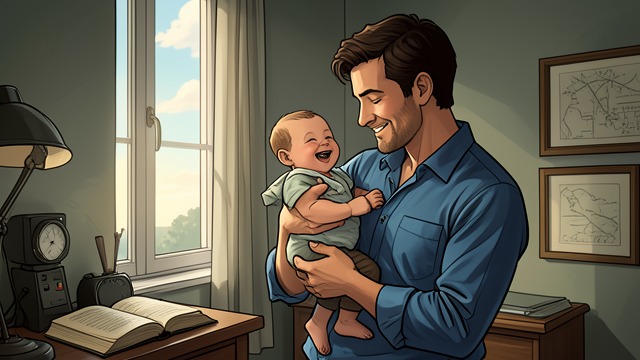
Love as Protection
A hopeful beginning
When Nic is born, David experiences parenthood as joy joined to acute vulnerability. He wants to soothe, guide, and protect his son, and imagines that attentive love can keep danger at bay.
He fills Nic’s childhood with books, play, outings, and close conversation. Their intimacy becomes one of David’s deepest sources of meaning.
An impossible promise
The desire to protect later becomes a source of anguish. David must confront that closeness can support a child, but cannot guarantee the child’s choices or survival.
The Parent Who Waits
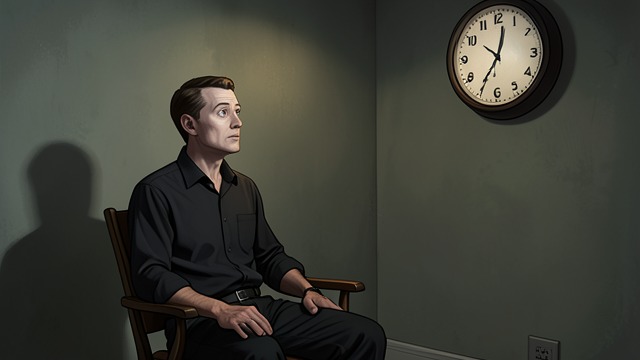
Vigilance Takes Over
Waiting at night
As Nic begins missing curfews, David lies awake listening for the car, footsteps, or a call from police. He repeatedly imagines that Nic is dead before learning that his son has merely stayed elsewhere.
The waiting turns parental concern into a physical state of alarm. David knows that worry does not solve the problem, but cannot stop his body from reacting.
A narrowing life
As crises accumulate, David’s attention increasingly centers on Nic. His fear is understandable, yet it begins to crowd out his marriage, work, and other children.
The Father Who Enables
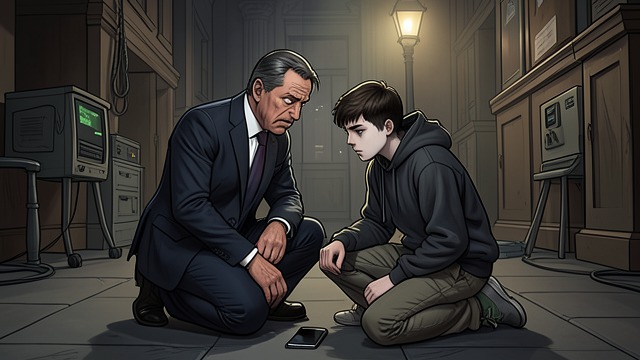
Help or Harm
Rescue attempts
David bails Nic out, searches for him, pays attention to promises, and tries repeatedly to steer him toward treatment. He hopes that enough support and vigilance can interrupt the danger.
When Nic is using, David struggles to distinguish compassion from actions that allow the addiction to continue. He sometimes minimizes theft or deception by telling himself that the person before him is not the real Nic.
A painful recognition
David hears that he is an enabler and resists the accusation before recognizing parts of himself in it. His efforts come from love, but love does not make every intervention helpful.
The Brain Hemorrhage
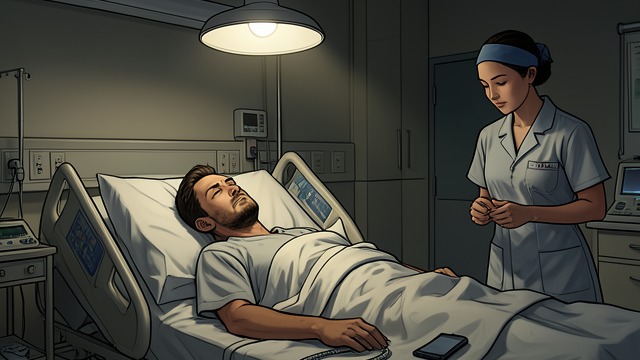
A Near-Fatal Interruption
Loss of orientation
David suffers a subarachnoid hemorrhage and wakes in intensive care disoriented, unable at first to remember his name or the year. Even in confusion, he fixates on remembering Nic’s telephone number.
The crisis makes David confront his own vulnerability and the limits of his ability to save his son. Physical danger does not erase the emotional bond or the worry it carries.
A changed perspective
After recovering, David sees more clearly that his children can live without him and that their lives are not his to control. This insight develops slowly into a change in how he understands fatherhood.
A Father’s Own Recovery
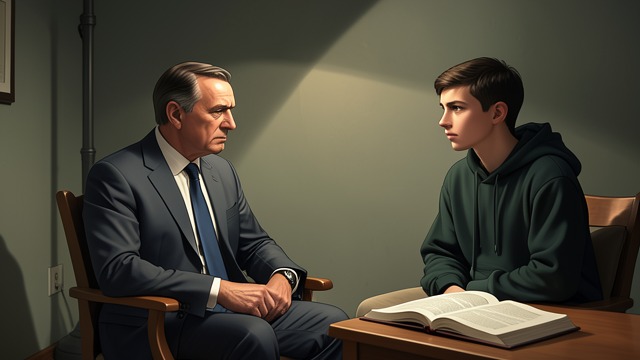
Reclaiming a Separate Life
Turning inward
David enters more intensive therapy and returns to Al-Anon. He recognizes that focusing on Nic’s repeated emergencies has become safer than examining his own guilt, history, and emotional needs.
He learns to contain rather than eliminate his concern, including by setting limits on phone access and giving his attention to his present household.
Love without control
David accepts that Nic must do the work of recovery himself. He remains hopeful and connected, but aims for a relationship based on compassion and boundaries rather than rescue.
At Nic Sheff’s birth and early childhood
During Nic Sheff’s adolescence
During Nic Sheff’s early relapses
June 2005
After David Sheff’s hospitalization
